The Future of Travel Is Becoming More Intentional
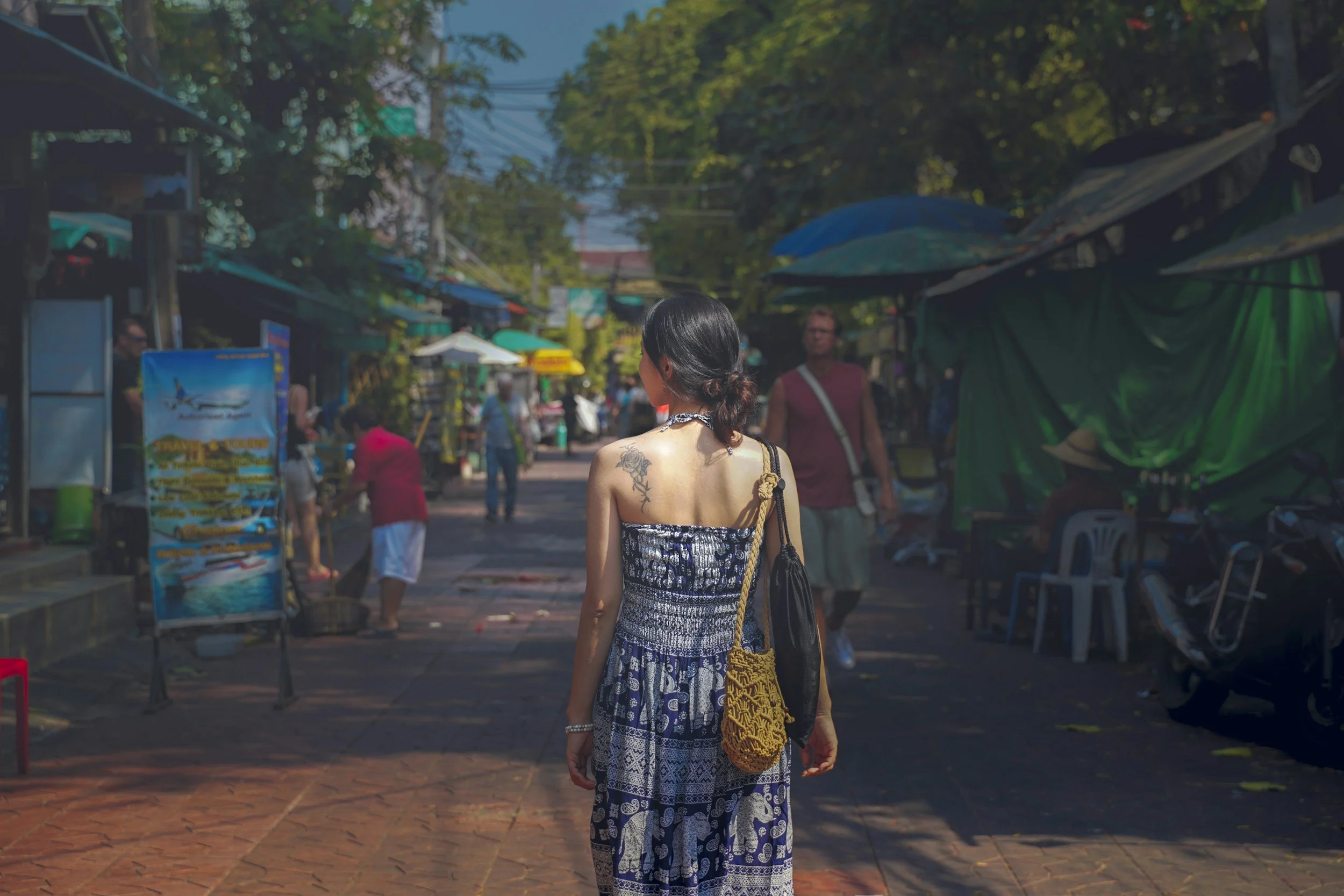
A traveler explores a vibrant local street, reflecting the growing shift toward slower, more intentional travel experiences centered on cultural connection and meaningful discovery.
Why travelers are beginning to value depth, connection, and meaningful experiences over simply checking destinations off a list.
There was a time when travel was often measured by volume.
How many countries did you visit?
How many ports did you check off?
How many landmarks did you photograph before moving on to the next destination?
For years, modern tourism rewarded speed and accumulation. Travelers rushed through packed itineraries, stood in long lines for the same photos, and returned home exhausted from vacations that often felt more like logistical marathons than meaningful experiences.
But something is beginning to shift.
Quietly, and perhaps somewhat gradually, travelers are starting to ask different questions.
What will I actually remember from this trip five years from now?
Will I meaningfully connect with the places I visit?
Am I experiencing a destination, or simply consuming it?
Across the travel industry, there is growing evidence that travelers are becoming more intentional in how they plan, book, and experience their journeys. The future of travel may not belong to those trying to see the most places. It may belong to those trying to understand the places they see more deeply.
What Intentional Travel Actually Means
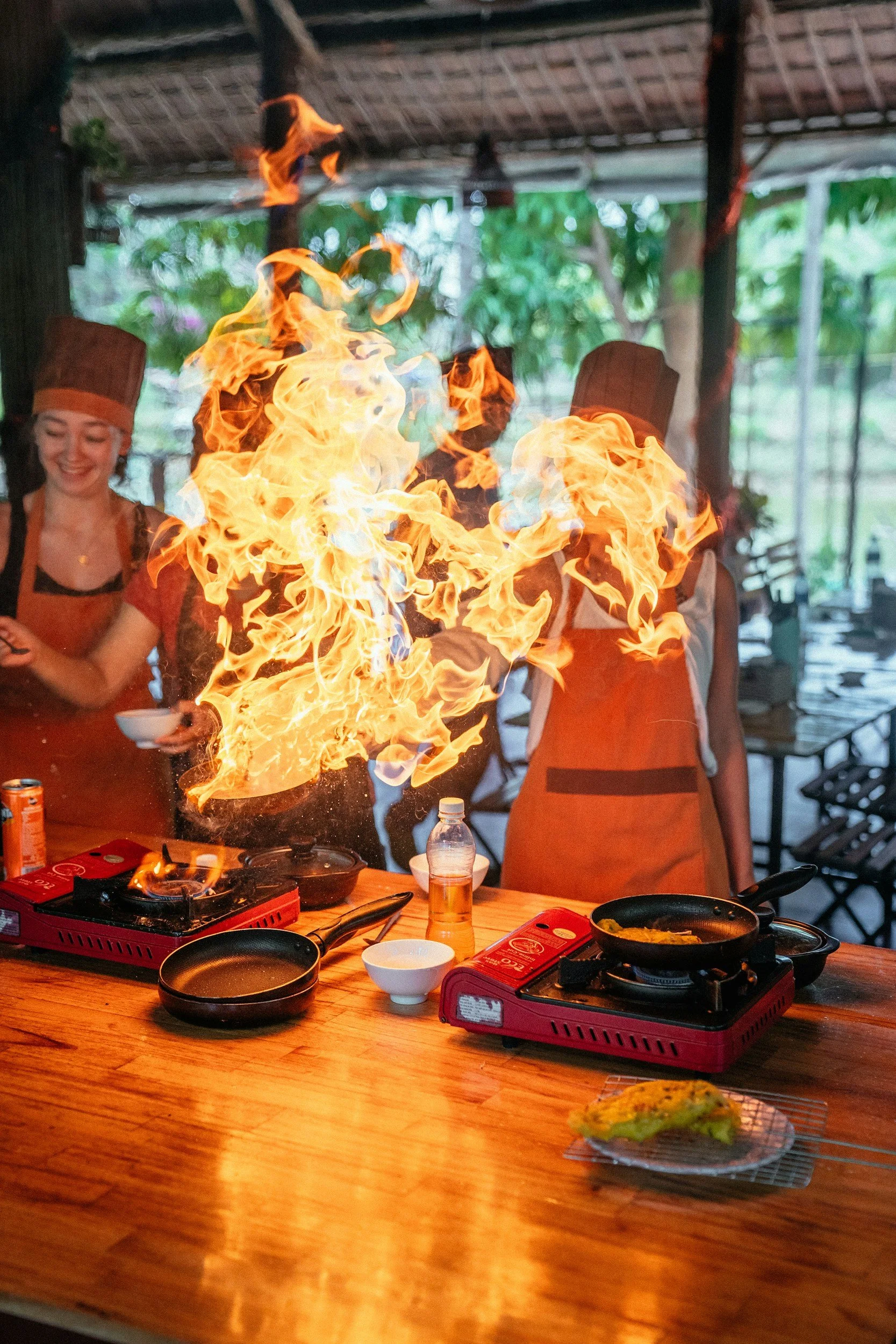
Hands-on culinary experiences allow travelers to connect more deeply with local culture, traditions, and everyday life beyond traditional sightseeing.
Intentional travel does not necessarily mean luxury travel, expensive travel, or abandoning mainstream tourism altogether. It does not require living out of a backpack for six months or avoiding cruises and resorts entirely.
Instead, intentional travel is more about mindset.
It is the difference between simply arriving somewhere and truly engaging with it.
Intentional travelers tend to prioritize:
meaningful experiences over rushed itineraries,
cultural understanding over surface-level sightseeing,
quality over quantity,
and emotional memory over social media validation.
In practical terms, that might look like:
spending more time in fewer destinations,
taking a cooking class with local residents,
hiring a regional guide who can explain the history and culture behind a place,
exploring neighborhoods beyond the main tourist districts,
or choosing excursions that create connection rather than simply transportation.
The goal is not perfection or performance. It is presence.
Why Travelers Are Beginning to Shift

Travelers pause above Barcelona, illustrating the growing desire for slower, more reflective travel experiences focused on connection rather than simply checking destinations off a list.
Several forces are contributing to this evolution in travel behavior.
One of the most visible is overtourism. Destinations across the world, from Barcelona to parts of Venice, are openly reevaluating how mass tourism affects housing, infrastructure, local culture, and quality of life. Travelers themselves are also beginning to feel the strain of overcrowded attractions and increasingly transactional tourism experiences.
At the same time, social media has changed how people experience travel before they even arrive. Many destinations now feel visually familiar long before travelers step foot there. The iconic photograph has already been seen thousands of times online.
As a result, many travelers are beginning to seek something deeper than visual consumption alone.
Rising travel costs are also influencing behavior. Vacations require a significant financial investment for many households, and travelers increasingly want those trips to feel personally meaningful rather than rushed or forgettable.
There is also a broader emotional shift happening. After years marked by uncertainty, disruption, and digital saturation, many people are looking for experiences that feel grounding, human, and memorable. Travelers are increasingly valuing slower pacing, local interaction, and opportunities to learn rather than simply observe.
What Intentional Travel Looks Like in Real Life

Local guides provide travelers with cultural context, storytelling, and deeper understanding that transforms destinations into meaningful experiences.
Intentional travel is not always dramatic or adventurous. Often, it is found in smaller decisions.
Instead of rushing through eight countries in two weeks, a traveler may spend five meaningful days in one region, learning its rhythms, traditions, and cuisine.
Instead of booking the largest group tour available, they may choose a smaller experience led by someone who actually lives within the community being explored.
Instead of only seeing the highlights of a destination, they may become curious about the stories behind those places.
A traveler visiting Kyoto, for example, might choose to explore the city with a local guide who can explain cultural traditions, neighborhood history, tea customs, and regional etiquette in a way that transforms the experience from sightseeing into understanding.
Someone visiting Cozumel on a cruise may decide to venture beyond the standard tourist corridor and experience local food culture, regional history, or ecological conservation efforts surrounding the island’s reef system.
The destination itself does not necessarily change. The depth of engagement does.
Cruises Are Evolving Too
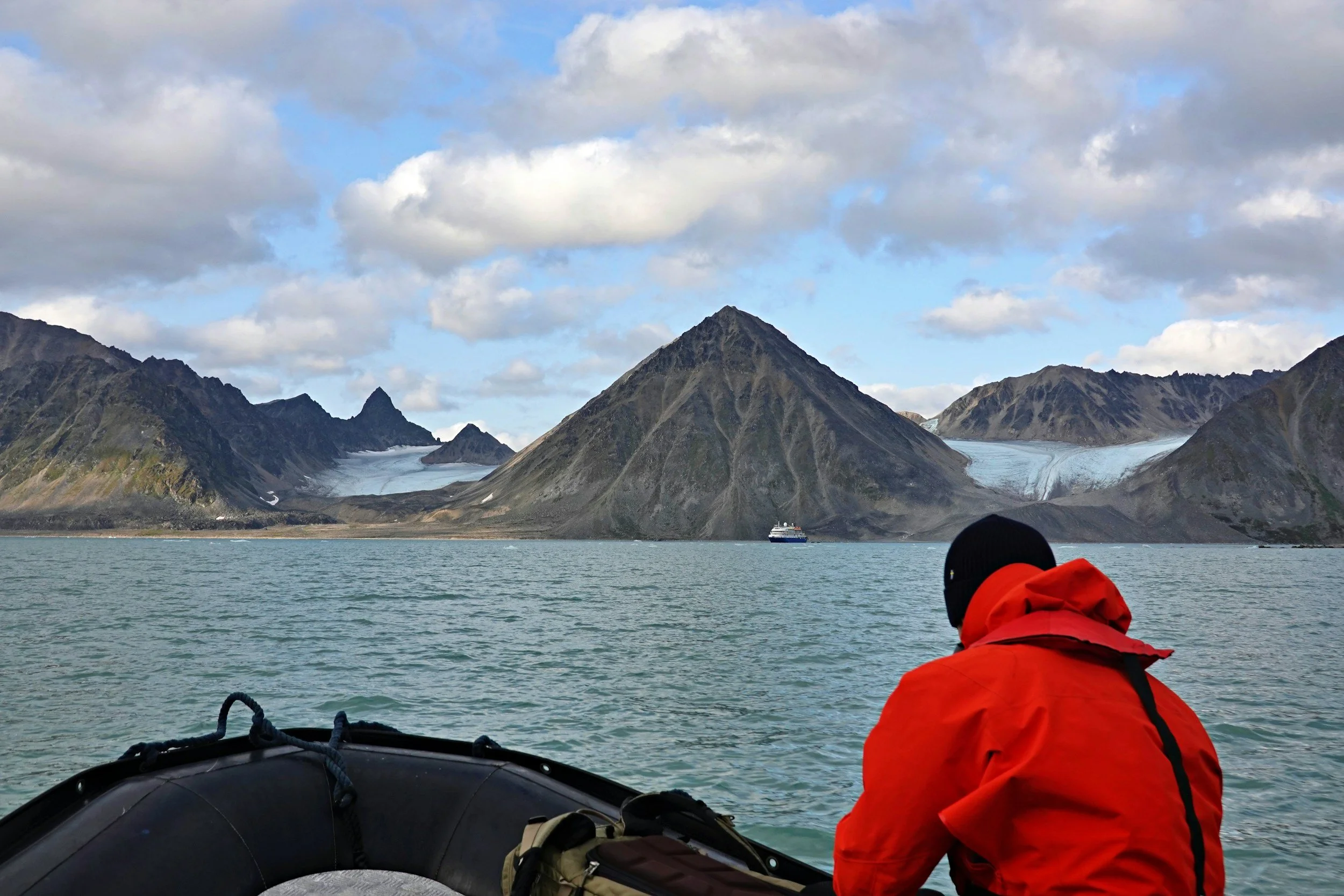
Modern cruising is increasingly evolving toward smaller-group exploration, destination immersion, and experience-focused travel.
Cruising, often misunderstood as purely mass-market tourism, is evolving alongside these broader traveler expectations.
Today’s travelers are increasingly looking beyond simply spending time onboard a ship. Many are becoming more selective about how they experience destinations while in port.
That shift can be seen in:
growing demand for smaller-group shore excursions,
culinary and cultural experiences,
destination-focused itineraries,
expedition cruising,
and travelers extending trips with pre- or post-cruise stays.
For many travelers, the cruise itself is becoming less about checking destinations off a map and more about using the voyage as a gateway into deeper exploration.
A Mediterranean sailing may become an opportunity to study regional food traditions. An Alaska cruise may spark interest in Indigenous history and environmental conservation. A Caribbean itinerary may encourage travelers to engage more thoughtfully with local culture rather than remaining entirely within tourist-centered environments.
Cruising still offers convenience and accessibility, but travelers increasingly want substance alongside comfort.
The Growing Value of Local Guides

Travelers increasingly seek local guides who can offer deeper cultural understanding, regional storytelling, and more meaningful connections to the destinations they visit.
One of the clearest signs of this shift is the increasing value travelers place on local expertise.
Information is everywhere now. What many travelers truly seek is context.
A local guide can provide something the internet cannot fully replicate:
lived perspective,
cultural nuance,
regional storytelling,
and human connection.
Platforms like GoWithGuide reflect this growing demand for more personalized and locally informed travel experiences. Rather than placing travelers into generic large-group excursions, these types of services allow travelers to connect directly with guides who live within the destinations themselves.
For travelers who want to better understand a place rather than simply pass through it, that difference can be significant.
The value is not simply convenience. It is interpretation.
A knowledgeable local guide can help transform a destination from scenery into story.
The Future of Travel May Be Slower, Smaller, and More Meaningful

The future of travel may become slower, more reflective, and more focused on meaningful human experiences rather than rushed itineraries.
Travel will likely continue evolving in the years ahead.
Technology will continue shaping how trips are researched and booked. Artificial intelligence will increasingly influence itinerary planning. Destinations will continue grappling with sustainability, infrastructure, and overtourism pressures.
Yet despite all of those changes, the travelers who seem most fulfilled are often not the ones trying to see the most places.
They are the ones who slow down enough to actually experience them.
The future of travel may become less focused on consumption and more focused on connection. Less about proving we were somewhere and more about understanding why that place mattered while we were there.
And perhaps that is where travel becomes most valuable in the first place.
Disclosure: This article contains affiliate partnerships. If you choose to book through certain links, The Sea Seeker may earn a commission at no additional cost to you. Those partnerships help support the continued creation of independent travel content, destination research, and thoughtfully curated travel resources for our readers. We only recommend companies and experiences we genuinely believe add value to the travel experience.