The Spirit Airlines Bankruptcy and the Public Misunderstanding of Travel Refund Liability

Flight cancellations are often the first visible sign of a much larger financial and operational breakdown occurring behind the scenes during an airline insolvency event.
The public reaction surrounding the collapse and bankruptcy proceedings involving Spirit Airlines has exposed a profound misunderstanding regarding how modern travel transactions, refund liability, and consumer payment protections actually function behind the scenes. Across social media platforms, growing frustration has increasingly been directed toward travel advisors by consumers unable to obtain immediate reimbursement for canceled air travel. Much of that outrage appears to stem from a fundamentally incorrect assumption: that the travel advisor is the party in possession of the traveler’s funds.
In many instances, that assumption is both factually and contractually inaccurate.
Modern travel distribution systems are highly layered, fragmented, and operationally complex. A traveler may understandably believe they “paid their travel agent,” while the underlying transaction itself may have passed through multiple independent entities operating within the broader travel commerce ecosystem, including airlines, vacation wholesalers, merchant processors, consolidators, host agencies, and third-party booking platforms.
Within these structures, the travel advisor may facilitate, coordinate, and manage the reservation process while never actually taking possession of the traveler’s funds. What appears seamless to consumers during ordinary transactions can become critically important once insolvency proceedings, refund disputes, or operational collapse enter the equation.
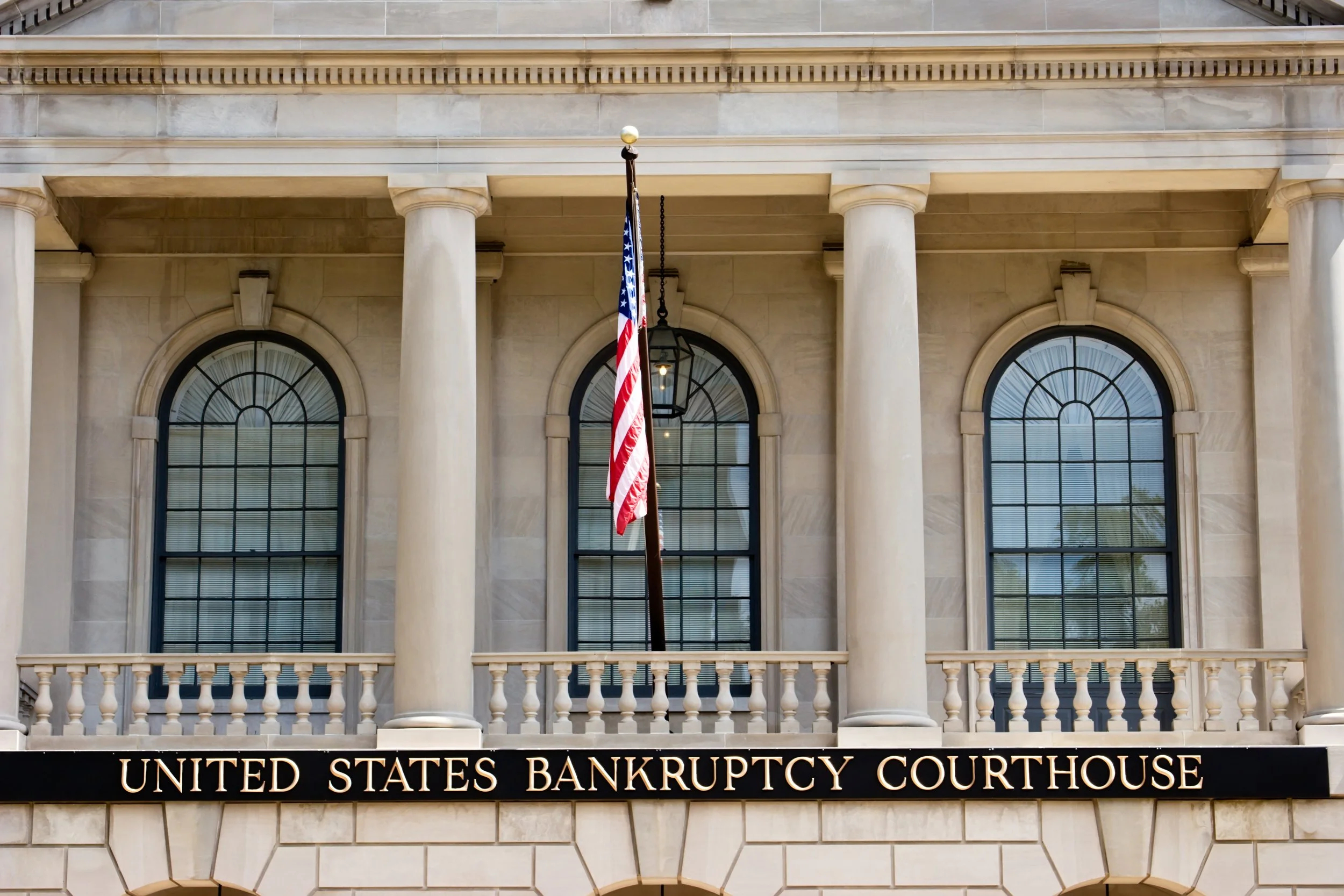
Once an airline enters bankruptcy proceedings, refund disputes can shift from standard customer service processes into formal creditor and insolvency administration structures.
Consumers frequently operate under the assumption that a canceled flight automatically creates an enforceable and immediate right to reimbursement. Under ordinary commercial circumstances, that expectation may be entirely reasonable. Bankruptcy proceedings, however, fundamentally alter the legal and financial framework governing outstanding obligations.
Once a company enters bankruptcy protection or liquidation proceedings, unresolved refund liabilities can become unsecured claims subject to federal bankruptcy administration, creditor prioritization structures, and court-supervised financial reorganization processes. At that stage, the central issue is no longer simply whether money is owed, but rather how claims are classified, where claimants fall within the broader creditor hierarchy, and whether sufficient assets remain available to satisfy outstanding liabilities.
This distinction is frequently misunderstood by the public. An airline may still technically owe the debt while simultaneously lacking either the operational capacity or legal authority to satisfy all refund demands through ordinary customer service channels during the pendency of insolvency proceedings.
Why Credit Card Purchasers May Experience Different Outcomes

How a traveler paid for airfare may ultimately determine whether recovery options exist through banking and merchant processing systems during bankruptcy proceedings.
Compounding public confusion is the fact that some travelers may ultimately recover funds while others may not, even when both parties purchased airfare on the same carrier. The determining factor is frequently not the airline itself, but rather the payment mechanism utilized during the transaction.
Travelers who purchased airfare through major credit card networks may have access to independent consumer protections available through card issuer dispute procedures, merchant processing regulations, chargeback systems, and certain federal consumer billing protections. In many instances, reimbursement may occur through the banking and merchant processing infrastructure rather than directly from the bankrupt airline itself.
This often creates the public impression that the airline voluntarily “issued refunds,” when operationally the financial recovery may have originated through entirely separate channels within the payment processing ecosystem.
By contrast, travelers who utilized debit transactions, ACH payments, supplier-held travel credits, vouchers, or future travel funds may find themselves in materially different positions due to the absence of equivalent dispute protections and recovery mechanisms. As a result, two travelers holding seemingly identical reservations may ultimately experience substantially different financial outcomes once insolvency proceedings begin.
The Merchant of Record Problem

Airline failures impact far more than schedules. Operational disruption often leaves travelers navigating confusion, cancellations, and rapidly changing recovery procedures.
Another layer of complexity arises from the issue of “merchant of record” designation, a concept largely unfamiliar to the average traveler yet critically important in determining how refunds, disputes, and financial liability are ultimately handled. Consumers frequently fail to distinguish between a travel advisor facilitating a reservation and the entity contractually processing the financial transaction. These are not always the same party.
For example, packaged vacation bookings involving wholesalers such as ALG Vacations may operate under contractual structures substantially different from direct airline purchases. Depending upon how the reservation was constructed, the wholesaler may function as the merchant of record, the airline may serve primarily as an inventory provider, and the travel advisor may operate strictly in an advisory and administrative capacity.
Those distinctions carry significant implications for refund administration, chargeback exposure, supplier liability allocation, and the avenues potentially available to consumers seeking financial recovery following supplier failure or operational collapse.
From the public perspective, the transaction often appears singular and straightforward. In reality, the underlying contractual and financial framework supporting modern travel commerce is frequently far more layered, fragmented, and legally sophisticated than consumers realize.
The Travel Advisor as the Visible Target

For many travelers, the public confusion surrounding airline bankruptcy becomes deeply personal once canceled travel, refund delays, and communication breakdowns begin affecting real itineraries.
One of the more troubling consequences of supplier insolvency events is the disproportionate reputational burden absorbed by independent travel advisors. When airlines cease operations, customer service systems deteriorate, or bankruptcy administrators assume control of portions of the process, travelers often direct their frustration toward the only accessible human participant remaining in the transaction: the travel advisor.
In many cases, however, the advisor never possessed the traveler’s funds, lacks authority to independently issue refunds, and possesses no legal mechanism to compel repayment from a bankrupt supplier. Compounding the issue further, advisors themselves may remain uncompensated for substantial labor already performed long before the disruption occurred.
Despite these limitations, advisors routinely devote extensive unpaid time to managing cancellations, assisting stranded travelers, coordinating alternate arrangements, communicating with suppliers, and attempting to navigate rapidly evolving operational failures on behalf of their clients. The distinction between “point of contact” and “party legally responsible” is frequently lost within the broader public discourse surrounding travel disruptions and supplier collapse.
A Larger Industry Conversation
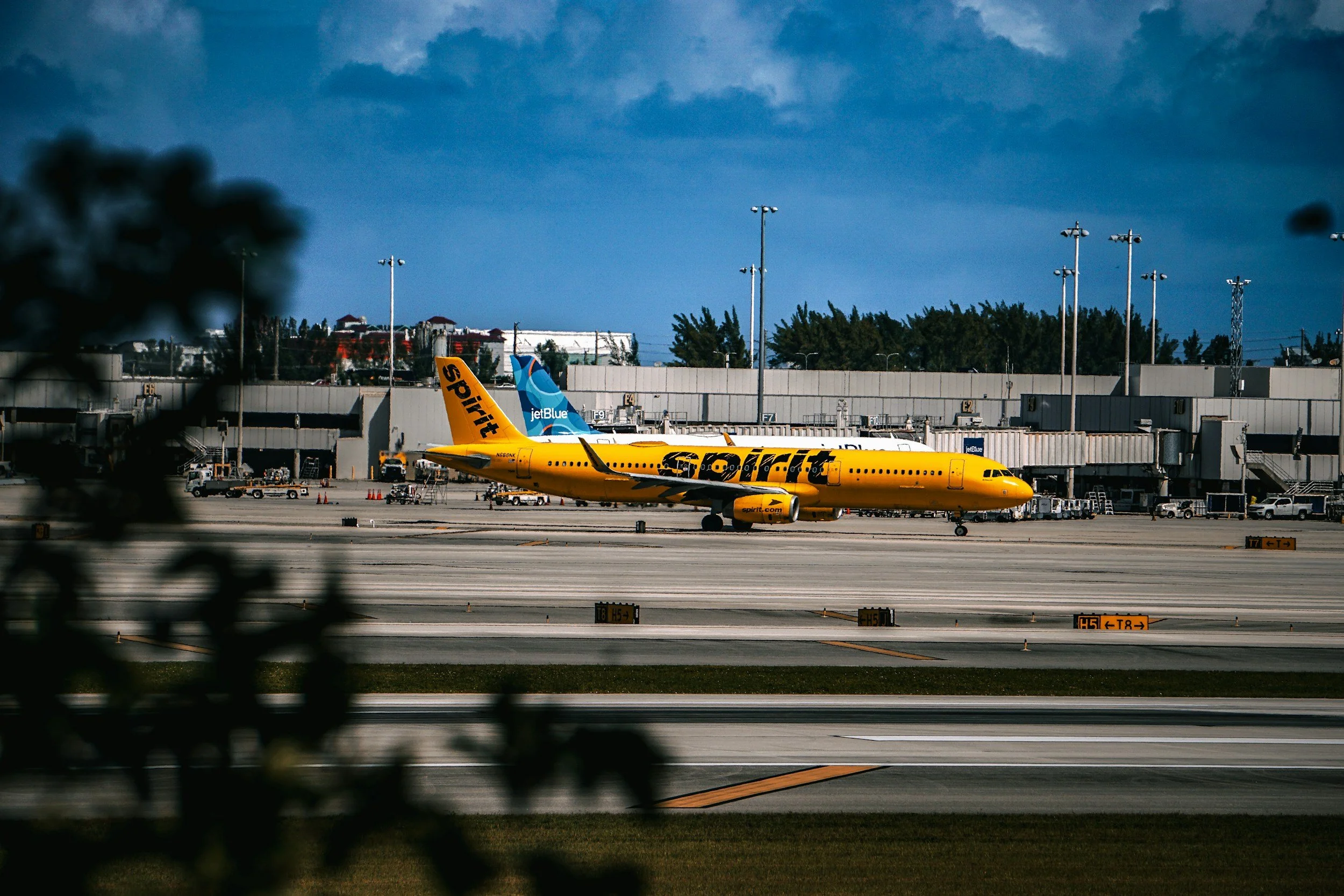
The Spirit Airlines bankruptcy has triggered broader industry conversations regarding refund liability, consumer protections, and the financial structure of modern travel transactions.
The Spirit Airlines situation serves as a broader case study in how modern travel commerce allocates risk and responsibility. Independent travel advisors are increasingly expected to operate simultaneously as consultants, crisis managers, operational coordinators, consumer advocates, and, perhaps most significantly, reputational shock absorbers for supplier failures entirely outside their control. Yet despite the growing scope of those expectations, advisors often possess little authority over supplier solvency, refund authorization, bankruptcy administration, airline operations, or merchant processing outcomes.
As instability continues to ripple through segments of the travel industry, both consumers and advisors would benefit from a more sophisticated understanding of the systems operating beneath the surface of modern travel transactions. Payment structures, merchant-of-record designations, supplier risk exposure, banking protections, and insolvency procedures all intersect in ways the average traveler rarely sees until a disruption occurs.
Once bankruptcy enters the equation, the matter ceases to be merely about canceled vacations or delayed refunds. It becomes an active intersection of creditor law, contractual hierarchy, payment processing infrastructure, and financial recovery administration unfolding in real time.
This article reflects general industry analysis and observations informed by prior professional exposure to bankruptcy-related processes and travel operations. It is intended solely for informational and educational purposes and should not be construed as legal, financial, or tax advice. Individuals with questions regarding their specific circumstances should consult a qualified professional.