Why Work With a Viking Certified Expert When Planning Your Cruise?
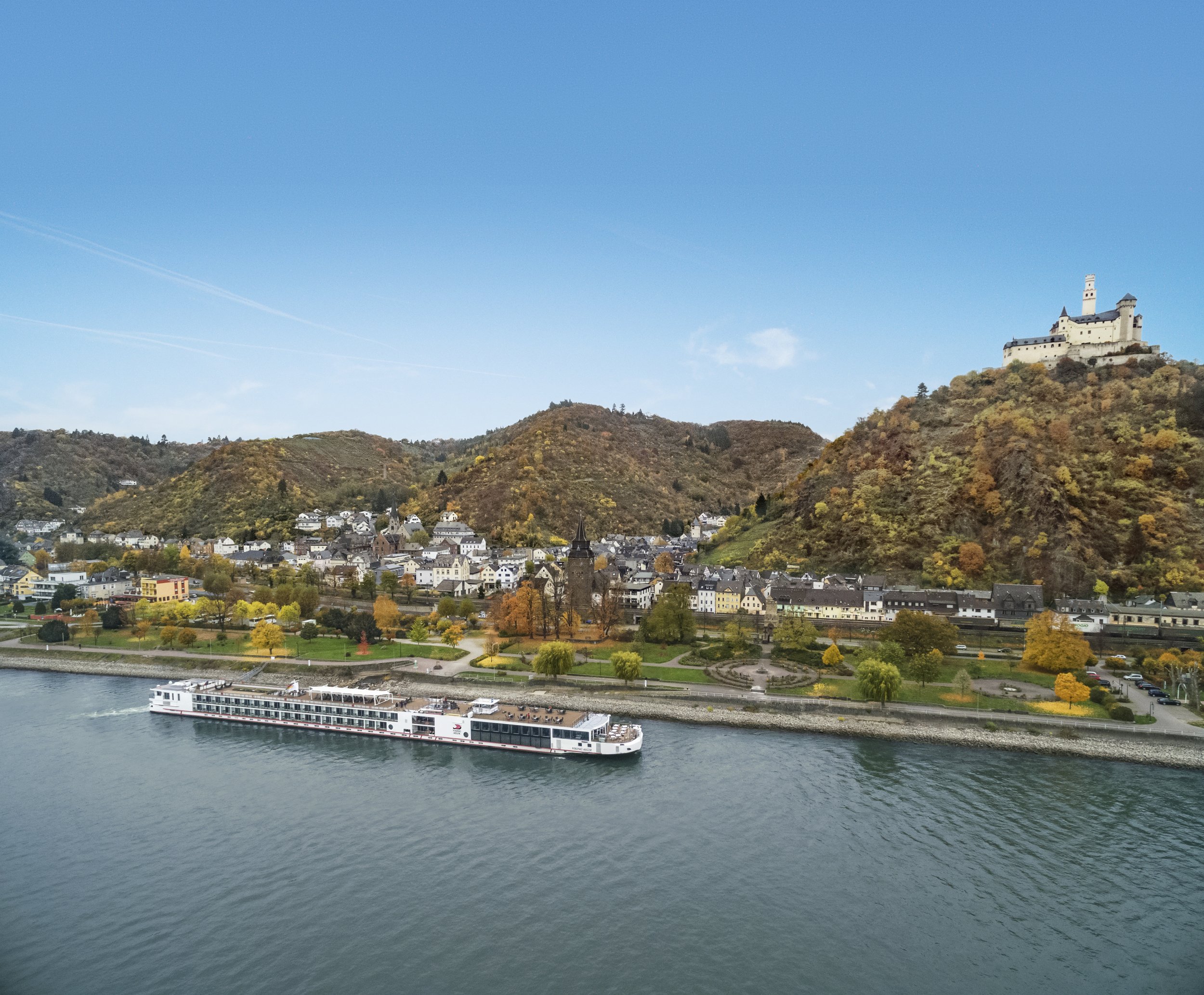
Viking River sailing along the Rhine River near Marksburg Castle, one of Germany’s best-preserved medieval fortresses.
Photo courtesy of Viking®
Is Viking Right for You? River, Ocean & Expedition Explained
Selecting a Viking voyage is rarely a casual decision. Whether considering the Mississippi River, the Danube, the Mediterranean, or a polar expedition, travelers drawn to Viking typically seek intellectual engagement, historical context, and cultural immersion rather than spectacle.
For that reason, product literacy matters.
After completing Viking’s River, Ocean, and Expedition training programs, I was awarded designation as a Viking Certified Expert. This certification reflects comprehensive study of fleet architecture, itinerary design, onboard programming, operational logistics, and destination philosophy.
In a premium travel category where nuance determines satisfaction, informed guidance becomes essential.
Viking’s Institutional Philosophy
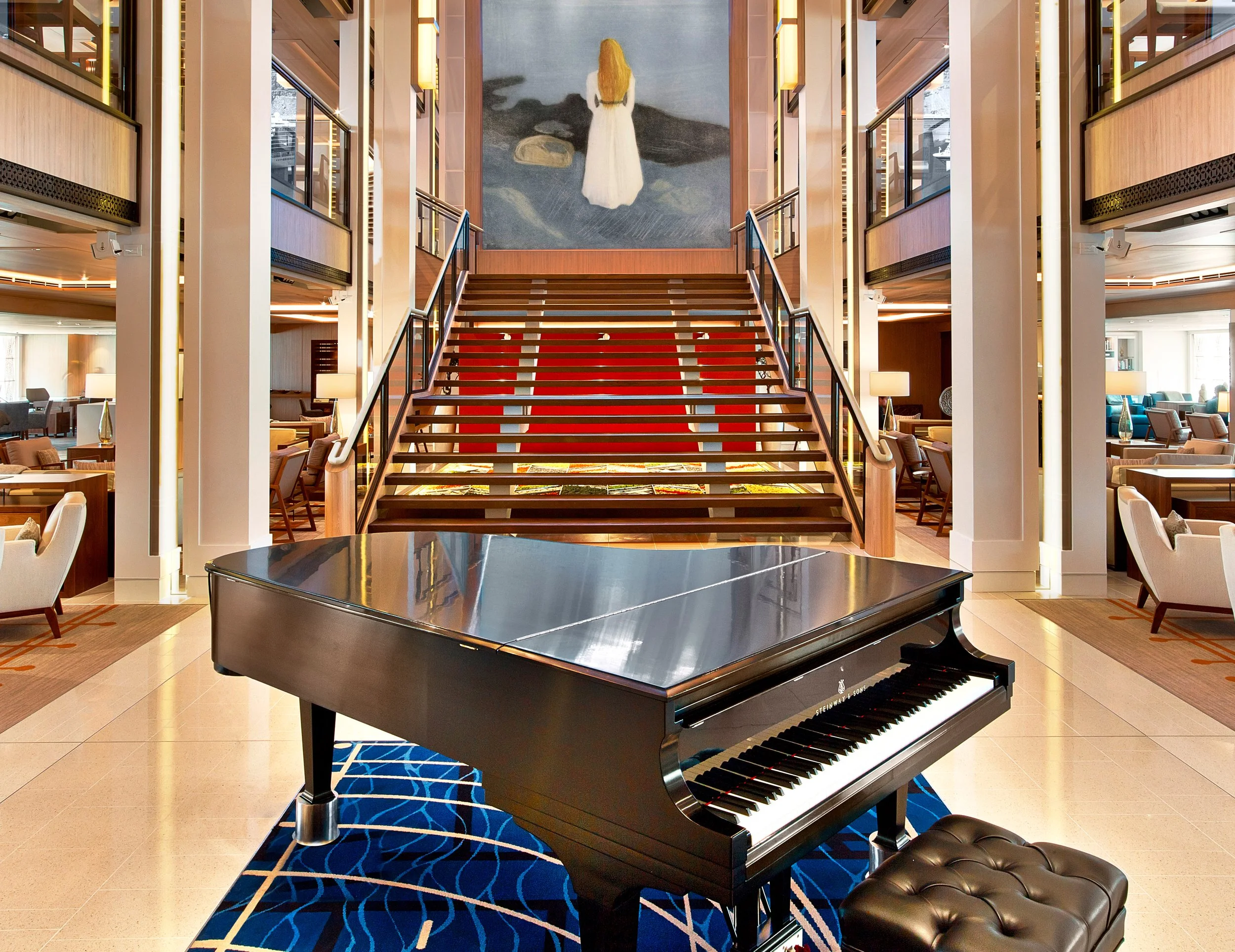
The central atrium aboard a Viking Ocean ship, reflecting Scandinavian architectural restraint and symmetry.
Photo courtesy of Viking®
Viking’s operating model is built upon a clearly articulated premise: the destination remains central to the voyage.
Unlike mass-market cruise lines that prioritize large-scale entertainment infrastructure, Viking deliberately minimizes onboard distraction. Ships are designed to facilitate reflection, learning, and immersion.
Key structural distinctions include:
An adult-focused environment
No casinos or amusement features
A curated enrichment program
Regionally inspired cuisine
Scandinavian-influenced architectural cohesion
Included shore excursions emphasizing cultural literacy
The result is a travel framework structured around inquiry rather than entertainment.
For academically inclined travelers, this distinction is not superficial. It shapes the rhythm of each day.
River, Ocean, and Expedition: Operational and Experiential Differences
Although united under a single brand identity, Viking’s three divisions operate within fundamentally different environmental and logistical contexts.
River Voyages
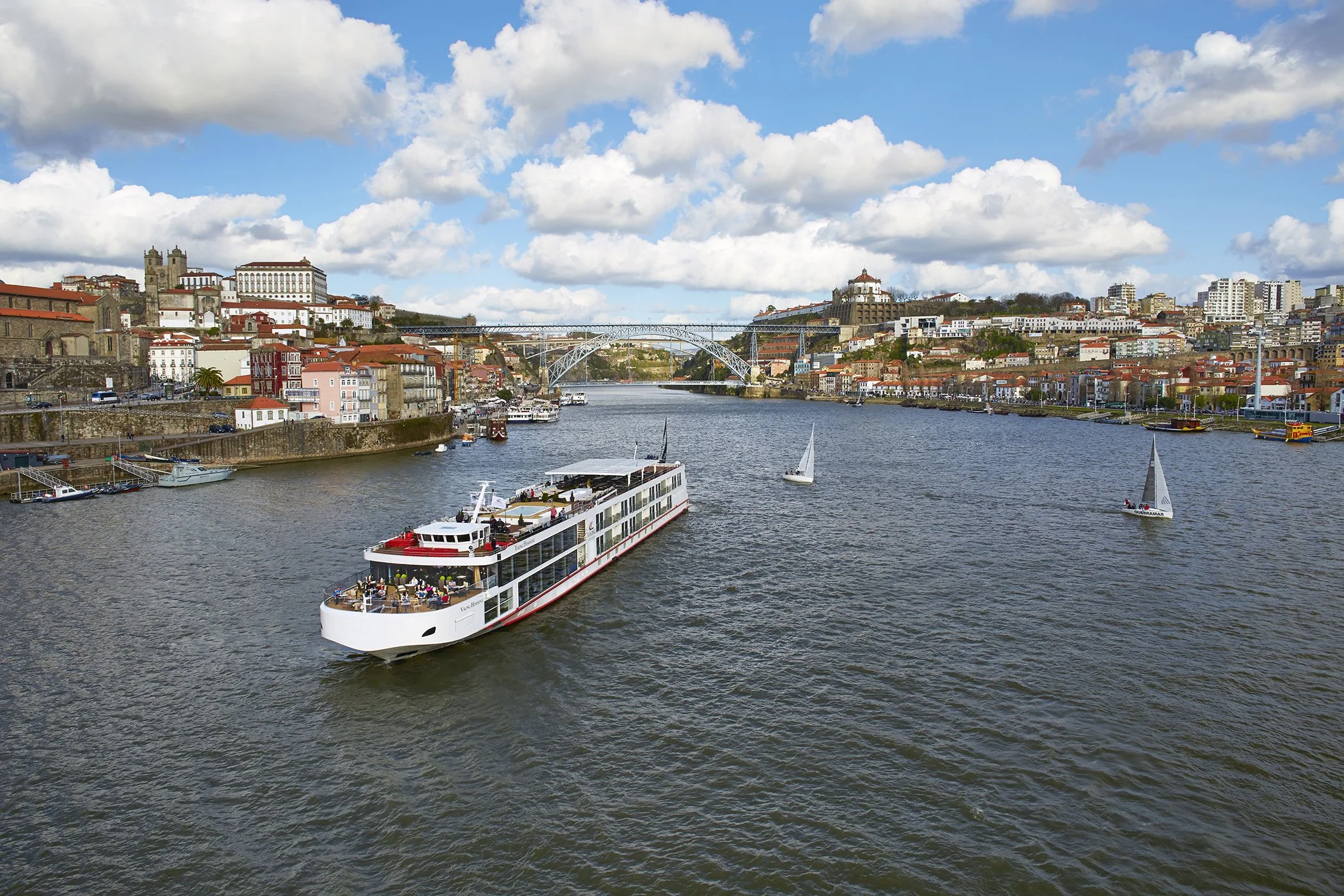
Approaching Porto along the Douro River, where centuries of trade and architecture define the landscape.
Photo courtesy of Viking®
River cruising functions within geographic constraints that require adaptive planning. Lock systems, bridge clearances, water levels, and docking proximity to urban centers influence itinerary pacing.
Stateroom configuration carries greater significance on river vessels due to width limitations inherent in inland waterways. Deck placement, balcony design, and accessibility considerations differ substantially from ocean vessels.
European rivers such as the Rhine and Danube operate within centuries-old trade corridors. In contrast, Mississippi River cruising engages a distinct American historical narrative, shaped by regional architecture, civil rights history, industrial development, and cultural evolution.
Understanding these structural distinctions allows expectations to align with reality.
Ocean Voyages
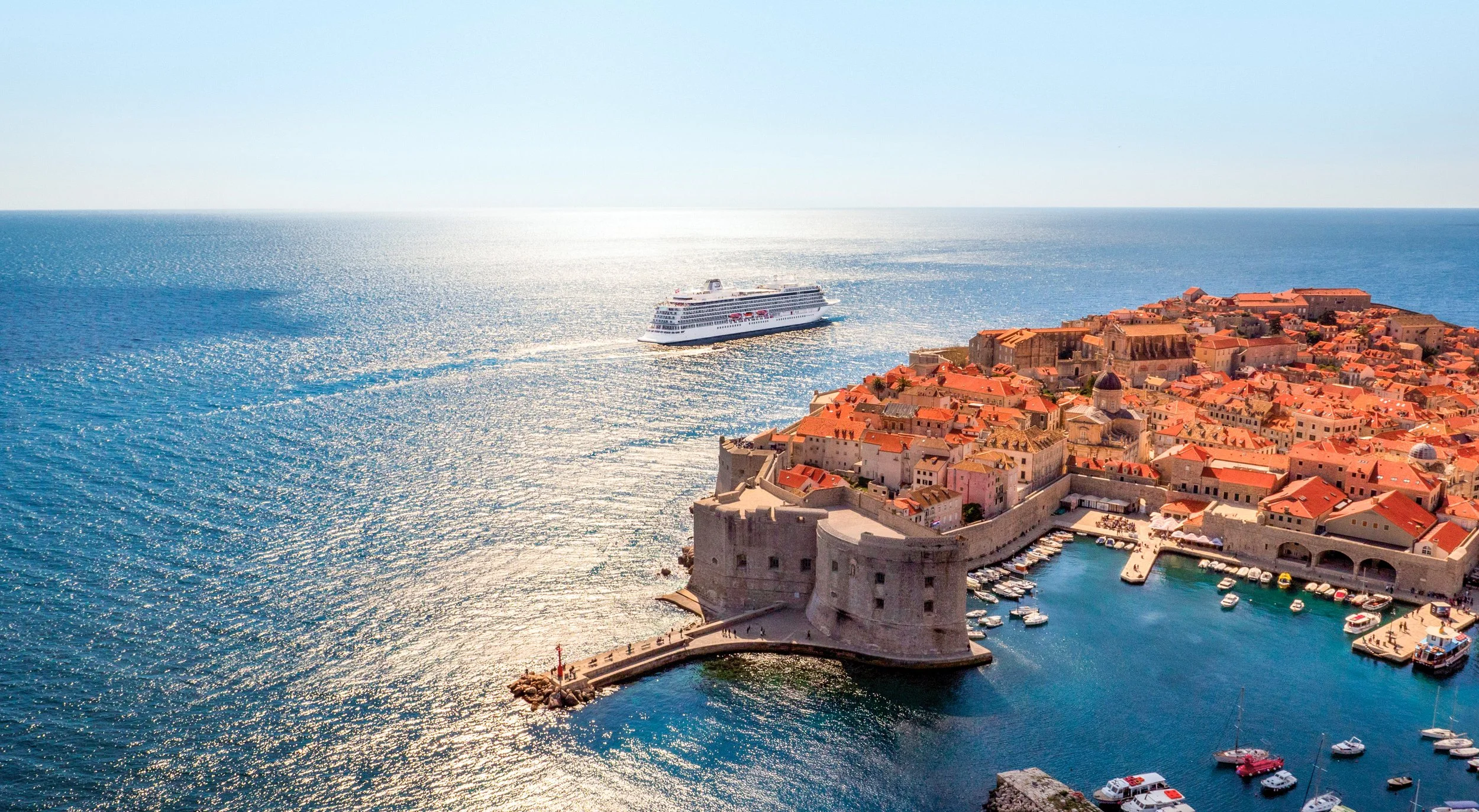
Viking Ocean voyage approaching Dubrovnik, where maritime history and fortified architecture converge.
Photo courtesy of Viking®
Viking Ocean ships are mid-sized and intentionally restrained in capacity. The design favors quiet spaces, panoramic observation areas, and cohesive aesthetic minimalism.
Ocean itineraries often prioritize extended port stays and overnight calls. The pacing permits deeper exploration rather than abbreviated port sampling.
This structural approach appeals to travelers who prefer interpretive engagement over high-energy onboard production.
Expedition Voyages
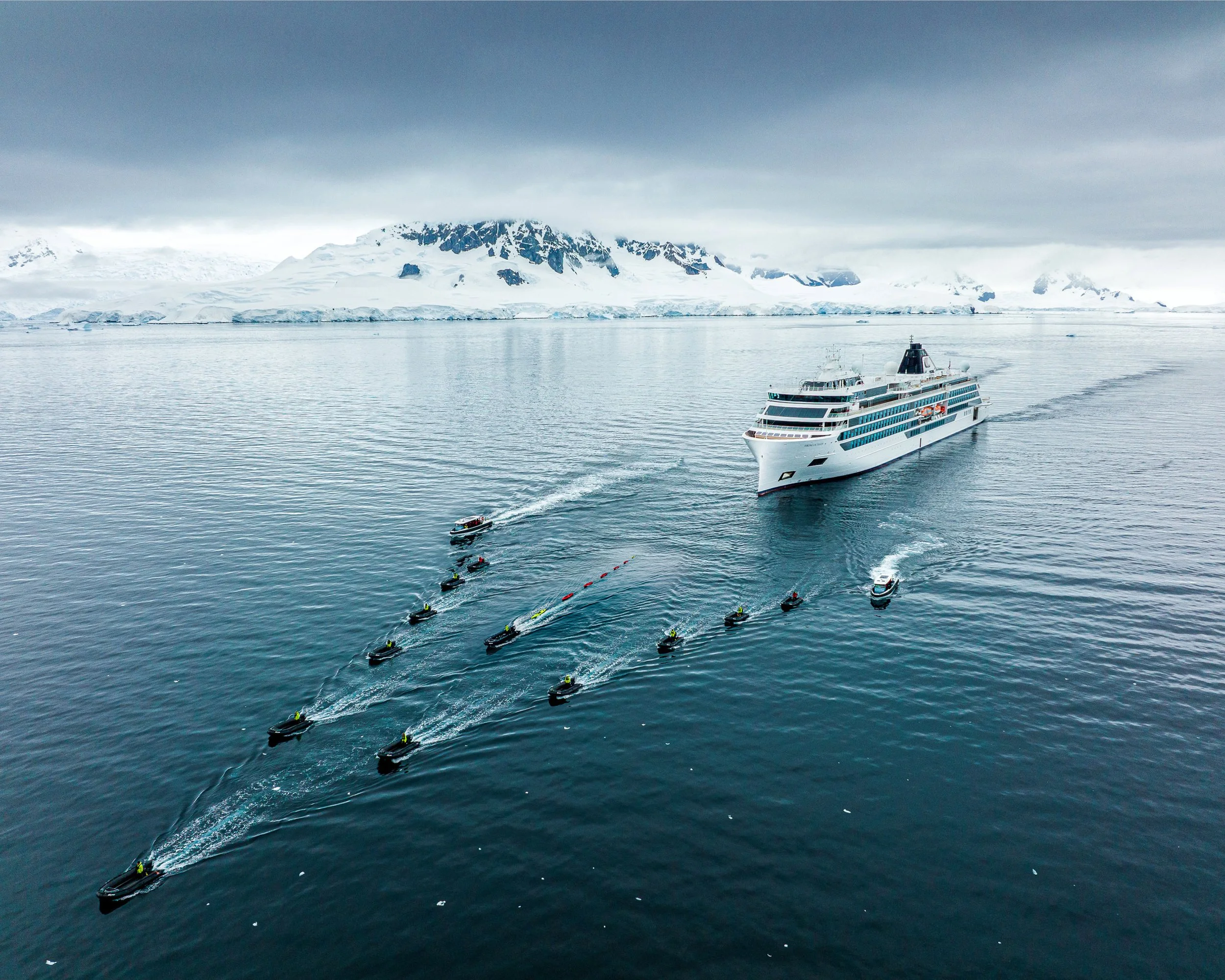
A Viking Expedition vessel operating under polar environmental protocols in Antarctica.
Photo courtesy of Viking®
Expedition cruising introduces environmental, scientific, and physical variables not present in traditional cruising.
Polar and remote-region voyages require:
Compliance with international environmental protocols
Controlled landing procedures governed by conservation standards
Onboard laboratories and expedition equipment
Daily reassessment of landing feasibility based on weather and ice conditions
Expectations must be calibrated accordingly. Expedition itineraries are inherently dynamic.
Guidance in this category benefits from operational familiarity rather than generalized cruise knowledge.
Enrichment Faculty and Intellectual Programming
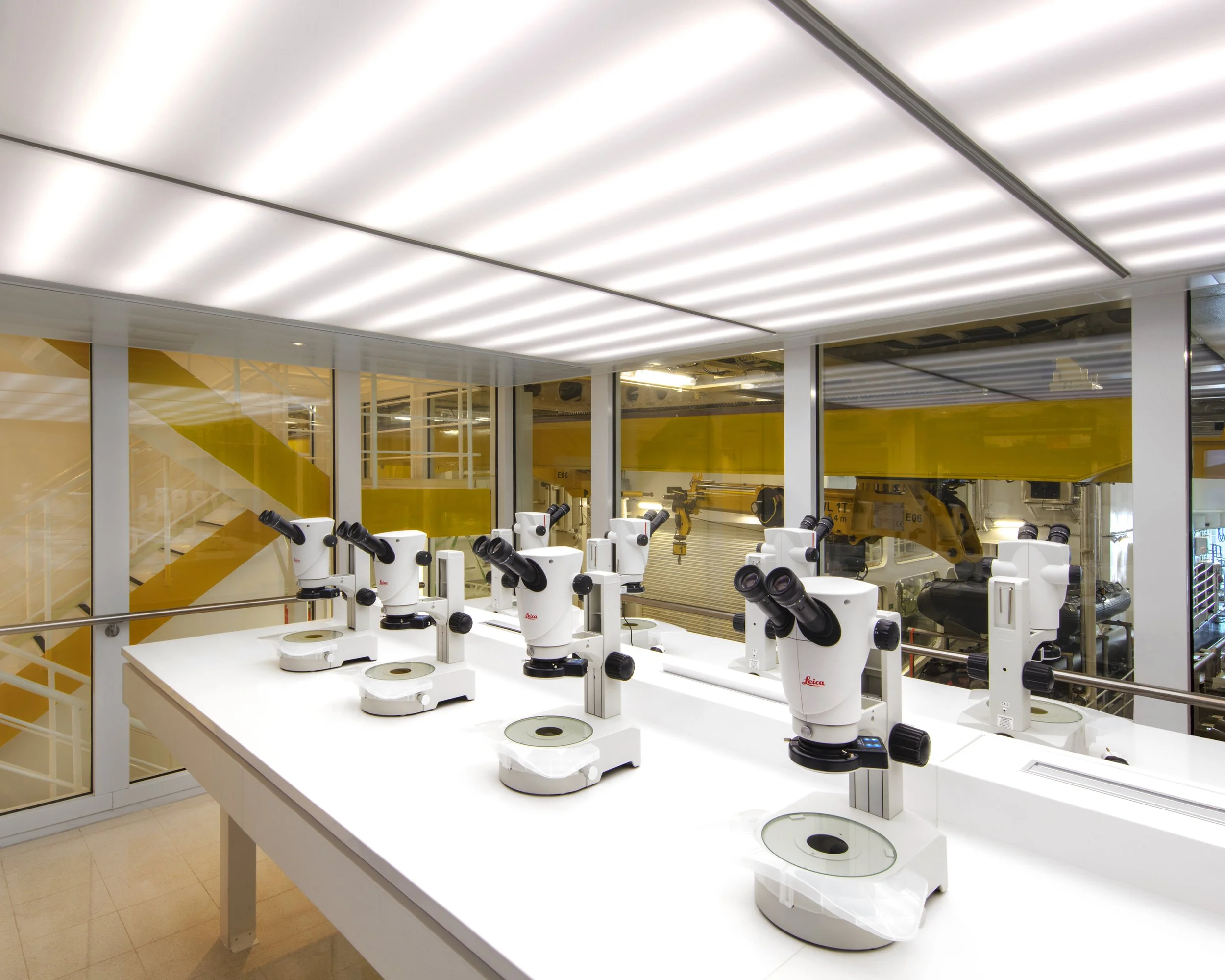
The onboard science laboratory, where expedition specialists contextualize polar ecosystems and glaciology.
Photo courtesy of Viking®
One of Viking’s defining characteristics is its investment in onboard enrichment.
Programming typically includes:
Historians specializing in regional study
Political scientists offering geopolitical context
Art historians addressing architectural and cultural movements
Scientists and expedition leaders on polar voyages
Destination specialists providing interpretive briefings
Lectures are not promotional in nature. They are structured to provide contextual framing for daily excursions.
On river voyages through Europe, guests may encounter faculty discussing Reformation history, Habsburg political influence, or Napoleonic campaigns prior to arriving in historically significant cities.
On Mississippi River sailings, programming frequently addresses Reconstruction, industrial expansion, literary heritage, and regional music traditions.
Expedition voyages include onboard scientists who contextualize glaciology, marine biology, and climate science.
For travelers accustomed to academic environments, this programming often becomes a central value proposition.
Selecting the appropriate itinerary therefore requires understanding the intellectual framework offered on each route.
Practical Implications of Certification
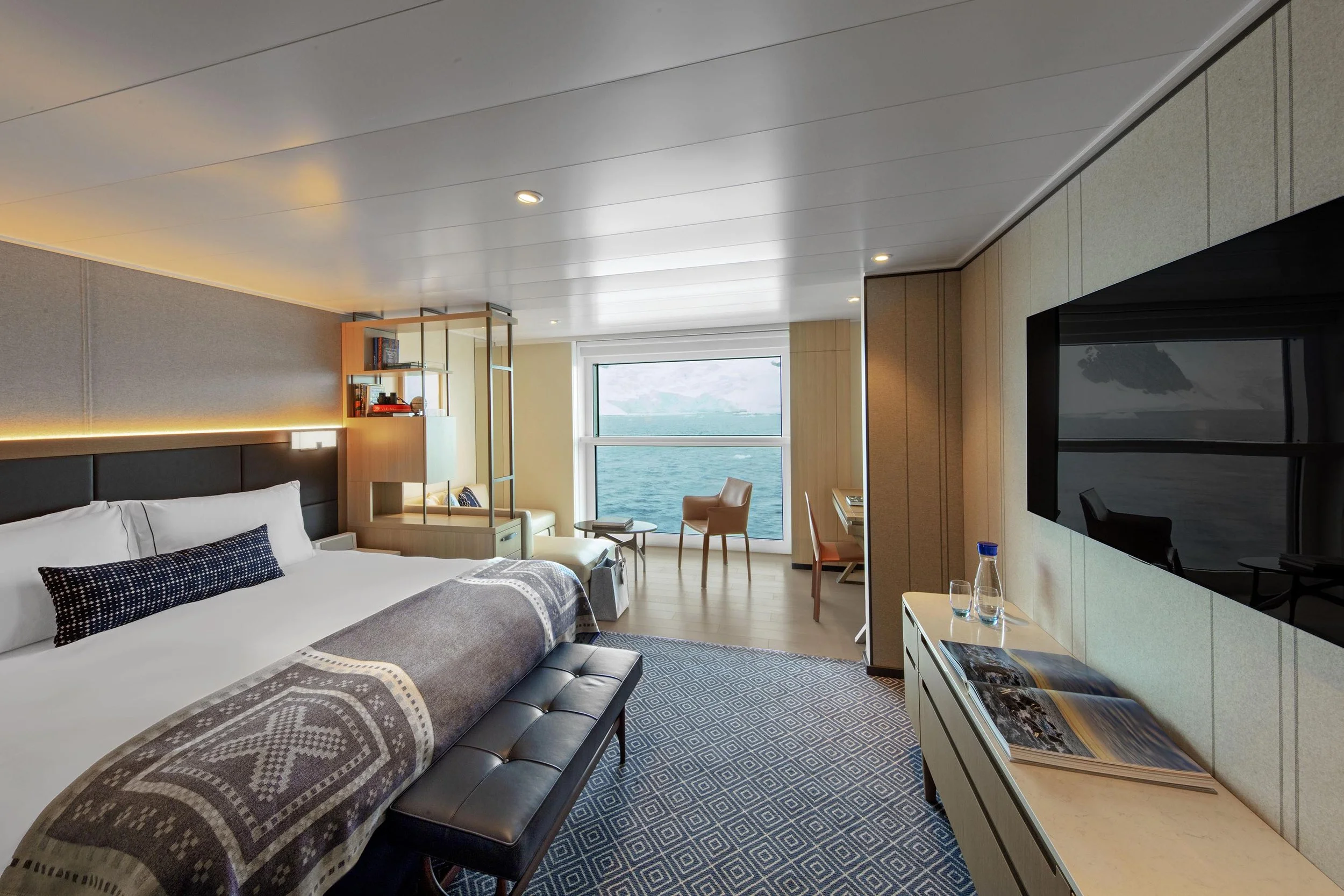
A Nordic Junior Suite reflecting Viking’s emphasis on natural light, restraint, and functional design.
Photo courtesy of Viking®
Certification reflects structured study across:
Ship schematics and deck configuration
Cabin categories and occupancy nuance
Itinerary sequencing and seasonal variability
Shore excursion models
Environmental initiatives
Onboard academic programming
In consultation, this translates to:
Aligning itinerary depth with intellectual interests
Evaluating cognitive pacing and port density
Assessing mobility requirements
Comparing Viking to peer premium brands
Anticipating operational contingencies
Rather than functioning as a booking intermediary, the advisory role becomes analytical.
For a traveler investing in cultural travel, this distinction is consequential.
The Mississippi River in Context
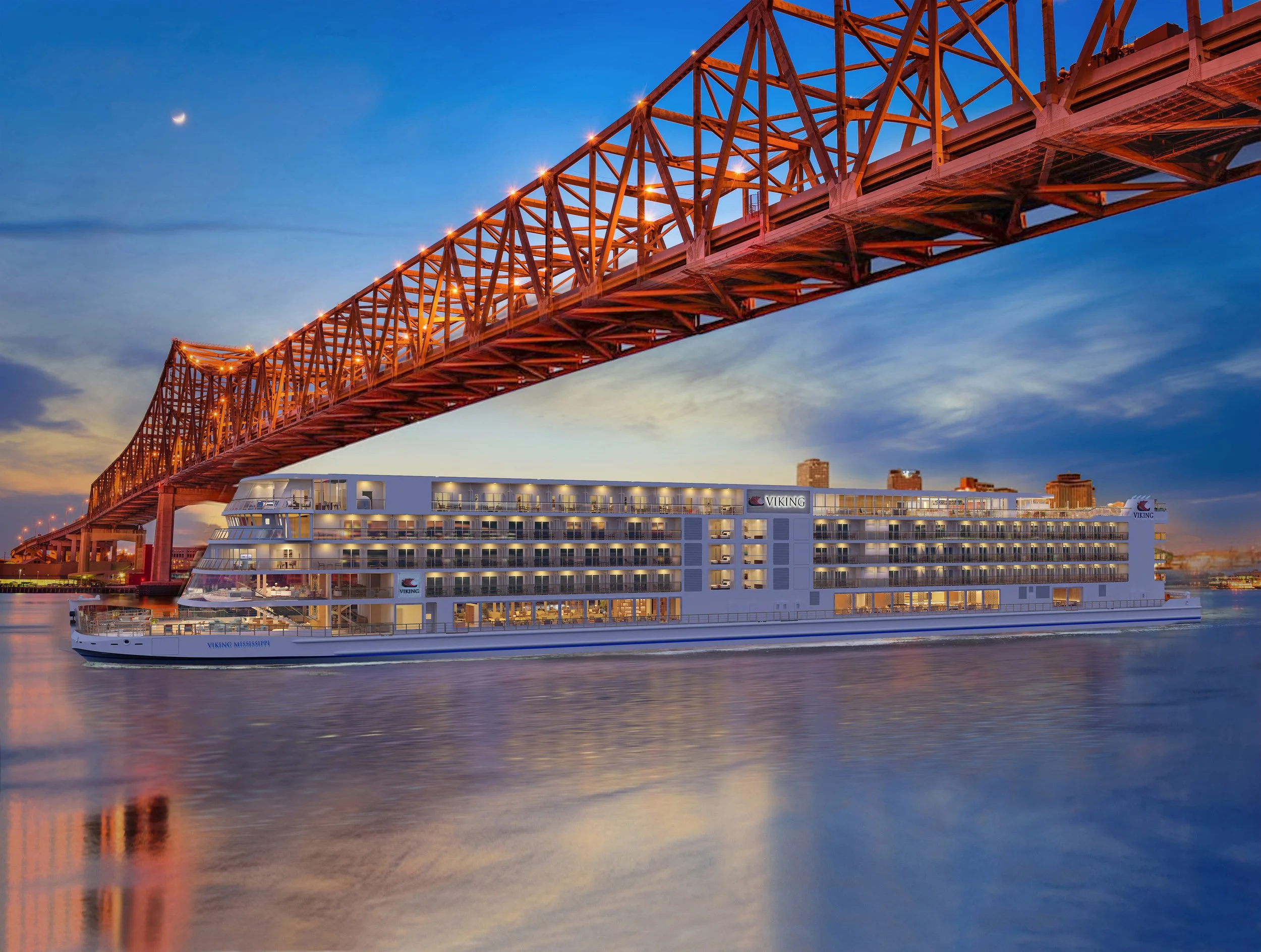
Viking Mississippi sailing through New Orleans, where American architectural and cultural history converge.
Photo courtesy of Viking®
Viking’s purpose-built Mississippi vessel, launched in 2022, was engineered specifically for U.S. waterways. Its design integrates Scandinavian aesthetic principles with American historical motifs.
Mississippi River cruising differs materially from European river systems. Distances between ports are greater. Urban docking environments vary. Cultural pacing is distinct.
Itineraries explore themes including:
Civil War and Reconstruction history
Civil Rights landmarks
Jazz and literary heritage
Industrial trade development
Architectural preservation
Expectations benefit from informed preparation. Without contextual grounding, travelers may misinterpret structural differences between U.S. and European river experiences.
Sustainability and Environmental Considerations
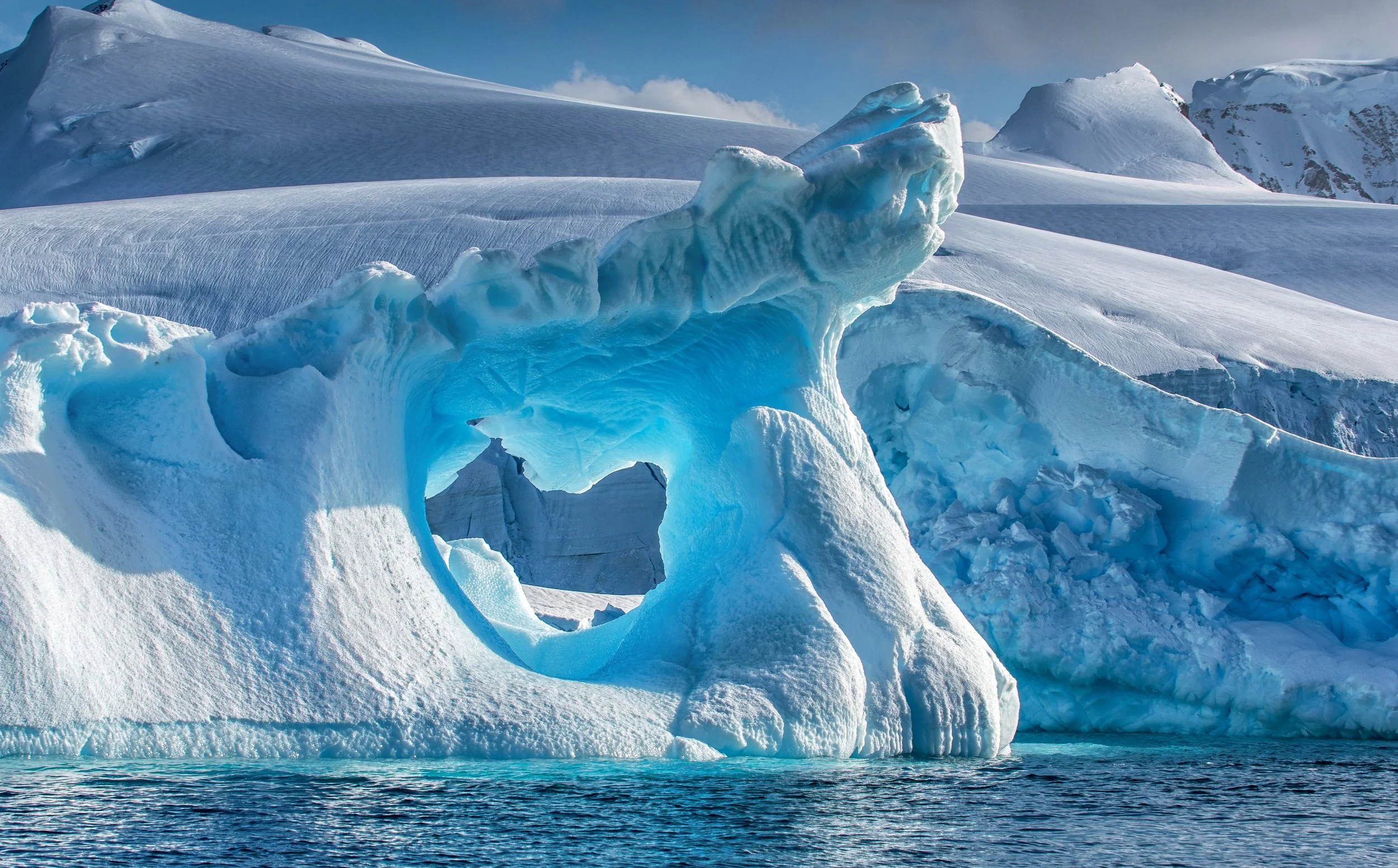
Wilhelmina Bay in Antarctica, a region known for dramatic glacial formations and wildlife observation.
Photo courtesy of Viking®
Viking emphasizes energy-efficient engine systems, reduced vibration propulsion, and environmentally responsive practices across its fleet.
Expedition vessels incorporate hybrid technology and adhere to strict environmental landing standards in polar regions.
For travelers attentive to sustainability, these operational details are not ancillary.
They are integral to responsible travel.
Is Viking the Appropriate Framework?

The Explorers’ Lounge aboard Viking ships serves as a quiet communal space for reading, discussion, and reflection following daily destination briefings.
Photo courtesy of Viking®
Viking is often well suited for travelers who:
Value intellectual inquiry
Prefer measured pacing
Appreciate architectural coherence
Seek cultural immersion
Enjoy structured lectures and discussion
It is less aligned with travelers seeking nightlife-driven entertainment, family-oriented recreation infrastructure, or large-scale theatrical programming.
Determining suitability requires honest evaluation.
Travel as Structured Learning
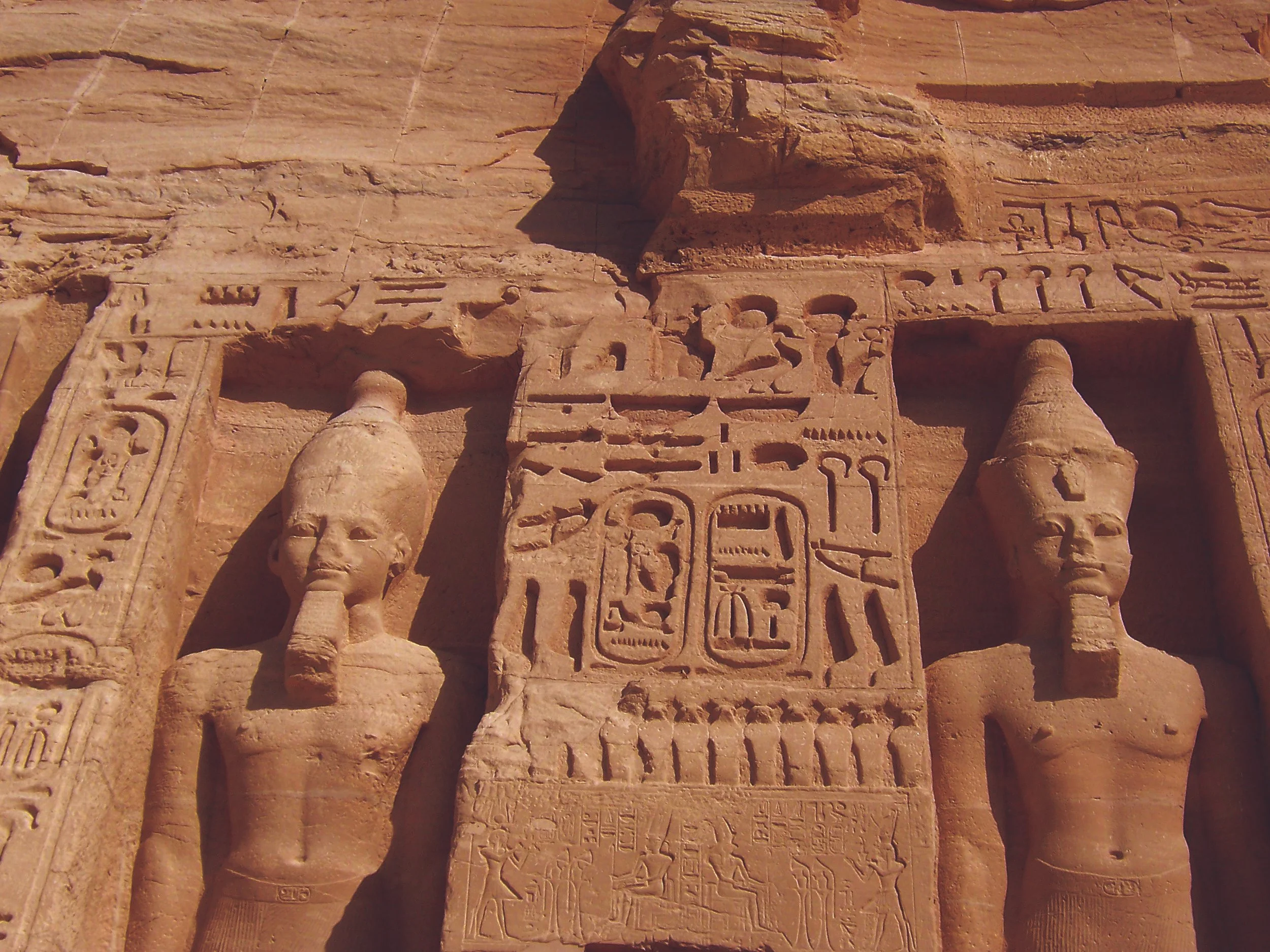
Temple reliefs near Aswan, reflecting the historical depth of Viking’s Nile itineraries.
Photo courtesy of Viking®
For many academically oriented travelers, travel functions as extension rather than escape.
A voyage can serve as:
Immersive historical study
Cultural observation
Interdisciplinary exploration
Reflective retreat
Selecting the correct framework through which to experience a region determines whether that objective is fulfilled.
Working with a Viking Certified Expert ensures the selection process is deliberate and informed by product fluency, operational literacy, and alignment with intellectual goals.
Final Reflection
At this level of travel, the decision is not merely logistical. It is philosophical.
The question is not simply where to go, but how one wishes to engage with place.
If you are evaluating a Viking River, Ocean, or Expedition voyage and wish to approach the process thoughtfully, I welcome a consultation structured around your interests, pace, and expectations.